
 8 min
8 min
Every gym owner hits the same wall eventually: talented trainers with no structure, big ambitions without systems, and members who expect more than ever — personal attention, visible progress, and a gym that “gets” them.
The line between “good enough” and “built to last” has never been clearer.
The businesses that thrive are the ones that treat coaching as a craft, not a side hustle.
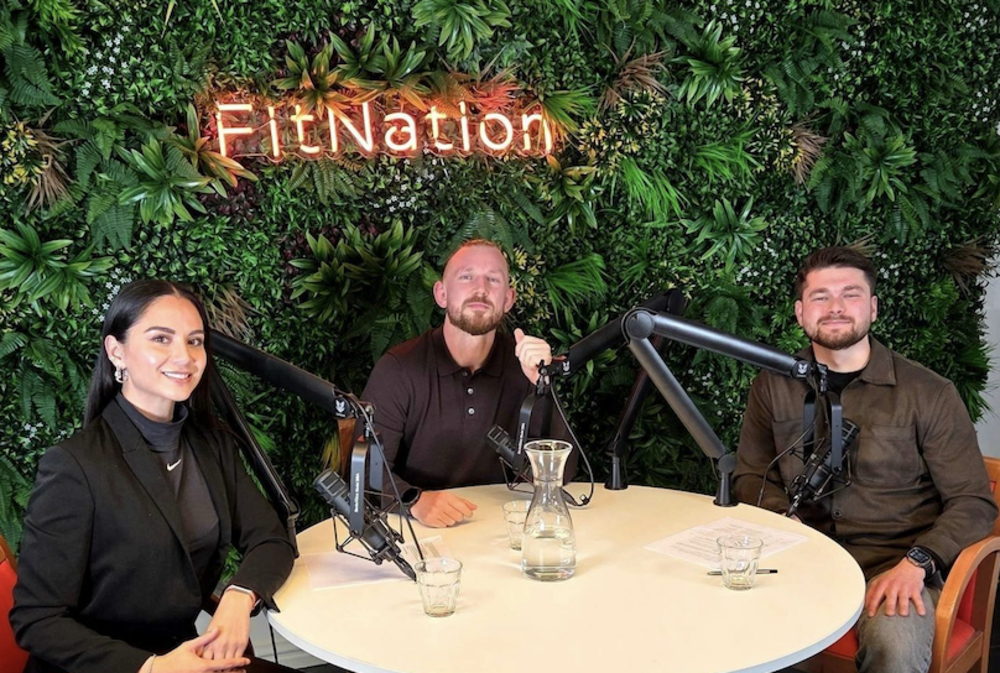
This is exactly the theme that emerged during our latest episode of FitNation, where we sat down with Wouter Middelbos — educator, former strength & conditioning coach, and founder of MILO.
Wouter Middelbos has been on both sides of that line during the last two decades.
From competitive judo to strength and conditioning, from Vondelgym’s explosive growth to founding MILO Performance and Education, a leading institute in Amsterdam where ambitious personal trainers and athletes are educated through accredited, science-meets-practice programs, thereby he’s seen what works, what breaks, and what’s missing in how we train, lead, and scale.
His journey is a blueprint for anyone building a high-quality fitness business: education with purpose, teams that stay, and member experiences that actually work.
In this article, we distill 20+ years of hard-earned lessons into practical takeaways — so you can build a gym or studio that’s not just popular, but powerful.
One with clear systems, expert teams, and members who stick around.
1. Great Coaches Aren’t Born - They’re Built Through Real Education
Most trainers step into the industry with a certificate… and not much else.
Wouter Middelbos has seen it for years: big gaps in skill, confidence, and consistency.
“So in terms of education, I saw there was a gap. People would arrive with a certificate — often Fitvak A and B — and one person could really deliver a solid session, while with another you’d think: you just don’t understand this at all.” he says.
The real problem? According to Wouter, the core issue is simple: people learn theory without ever applying it.
That’s why MILO turns that model on its head.
From day one, students coach real people, get real feedback, and learn how to analyse, adjust, and communicate. “We start with movement, not slides,”
Wouter explains. “From lesson one, you’re already coaching.”
What does this mean for gym owners?
For gym owners, this means investing in training pathways, ongoing learning, and systems that standardise quality across the board. If you want a strong team, you can’t just hire certificates.
You need systems that train real coaching — with practice, mentorship, and feedback loops. That’s how you create consistency. That’s how members feel the difference.
Because great coaching doesn’t happen by accident. It’s built.
2. The Fitness Industry’s Weak Spot? Zero Professional Standards
You can read a book, attend a weekend course, show up two weeks and suddenly you’re “qualified” and call yourself a personal trainer.
That’s how low the bar still is — and Wouter Middelbos doesn’t sugarcoat it. “We can’t expect the profession to be taken seriously if we don’t take it seriously ourselves.”
The consequences are obvious:
- Massive differences in trainer quality
- Confused clients who don’t know who to trust
- Gym owners fighting to maintain consistent standards
- A profession stuck in hobby-mode
Wouter argues that personal trainers should operate more like physiotherapists or sports coaches — grounded in real knowledge: anatomy, biomechanics, communication, and behaviour change.
The takeaway?
If you want to raise the quality of your gym, raise the bar for your team. Don’t just hand out contracts. Build professional standards into your training, hiring, and onboarding.
That’s where consistency starts — and where your reputation is built.
3. Your Team Is the Product - and Your Biggest Business Risk

Many gym owners still think their value lies in equipment, workouts, or aesthetics.
Wouter Middelbos is clear: “Your people are the product.”
The real risk? This is the industry’s Achilles heel: trainers rarely stay.
The standard model - low hourly pay, no growth path, unpredictable hours — drives good coaches out the door within 2–3 years. Often, they take your clients with them.
Wouter’s advice to owners: build a system that keeps talent.
- Create clear career paths with milestones
- Align pay with responsibility and performance
- Invest in consistent communication and team rhythms
- Make sure trainers feel seen, heard, and supported
- Never let the owner come between coach and client
“When your team feels like it matters, they stick around - and they do better work,” Wouter explains.
That kind of stability builds trust. And trust is what turns a gym into a community.
These are the kinds of hard truths Wouter shared during his FitNation podcast episode - lessons shaped not by theory, but by real-world coaching and team building.
💡 Want the full story — unfiltered and straight from Wouter?
▶️
Watch the full episode on Youtube
🎧 Or
listen on the go via Spotify
— available with or without video.
4. The Mid-Market Is Shrinking - You Won’t Win on Volume, So Win on Value
According to Wouter Middelbos, the fitness market is splitting in two.
On one side: high-volume chains built for price, speed, and automation.
On the other: boutique studios that win on quality, trust, and personal connection.
The middle of the fitness market is disappearing.
If you’re running a small or independent gym, you won’t beat the chains on price. But you can win where it matters:
- Coaching depth and education
- Consistency in member experience
- Clear, personal communication
- A mapped-out journey from lead to loyal fan
- Real presence in your local community
The key? Build a member journey that feels intentional.
From day one to year five, every touchpoint should reinforce: “You belong here. We see you.”
People don’t cancel when they feel connected. They cancel when they feel invisible.
5. Most New Gym Owners Don’t Fail on Passion - They Fail on the Math
Wouter coaches dozens of first-time studio owners, and he sees the same issue again and again: no financial reality check.
They open a space. Lease shiny equipment. Just a guess at pricing and margins - usually with some version of: “I’ll take 40% and hope it works.”
It doesn’t.
No projected revenue. No cost structure. No membership model that actually supports the lifestyle they want
Wouter’s advice is crystal clear. Treat your finances like your training - with structure, not hope.
- Build worst-case, realistic, and best-case revenue scenarios
- Know your cost structure before signing anything
- Set clear margins and plan how you’ll scale sustainably
- Decide what you’re willing to sacrifice - time, salary, weekends
- Accept that you’ll wear two hats: trainer and business owner
Bottom line: If you can’t survive the numbers on paper, you won’t survive them in real life.
It’s better to face the truth early than to discover it when you’re already in debt.
6. Behaviour Change Beats Perfect Programming - Always
Clients rarely fail because they don’t know how to squat or do bench press.
They fail because they can’t stick to a plan.
As Wouter Middelbos puts it: “It’s not a programming problem — it’s a behaviour problem.”
- They can’t prioritise training
- Their environment works against them
- Their habits don’t support their goals
- They don’t know how to change - even when they want to
That’s why Wouter studied psychology and why he believes modern coaches must go far beyond a training routine.
As Wouter told us on his FitNation episode, “It’s not about reps and sets — it’s about helping people actually change.” That mindset is what keeps members engaged long term.
Modern coaching means mastering human behaviour — not just biomechanics.
It’s about communication, lifestyle, clarity, and real accountability.
Train your team in this, and your retention won’t just improve. It will transform.
7. In an AI-driven World, Being Real Is the Only Advantage Left.
Wouter Middelbos is clear: AI will take over large parts of online coaching — check-ins, progress tracking, program tweaks, video breakdowns and even feedback on form.
But that only makes one thing more valuable: the human connection.
Gyms and PT studios won’t win by being the smartest or having the latest AI tren. They’ll win by being the most real and that means nothing else but:
- Real conversations
- Real coaching presence
- Real attention and care
- Real community and trust
“In a world full of filters, avatars, automated voices, and perfectly optimised content” Wouter says, “authenticity becomes the premium.”
Your competitive edge won’t be a fancy logo or shiny equipment.
It will be the way your team makes people feel seen — and stay.
Final Takeaway: The Future Is Built on People, Not Promises
Wouter Middelbos’ journey is more than a career story — it’s a blueprint for what the fitness industry actually needs: Better education + Stronger standards + Clearer systems.
And teams that put people first — both clients and coaches.
If you want a fitness business that lasts, this is where you start:
- Skilled coaches who are trained, not just certified
- A community people want to be part of — not just a membership
- Systems that deliver quality consistently, not by chance
Your trainers shape the experience.
The experience shapes your brand.
And your brand determines if people stay for three months… or three years.
💡 Want the full story — unfiltered and straight from Wouter?
▶️
Watch the full episode on Youtube
🎧 Or
listen on the go via Spotify
— available with or without video.
Tap into what the best gyms are doing differently — straight from the source.