15 min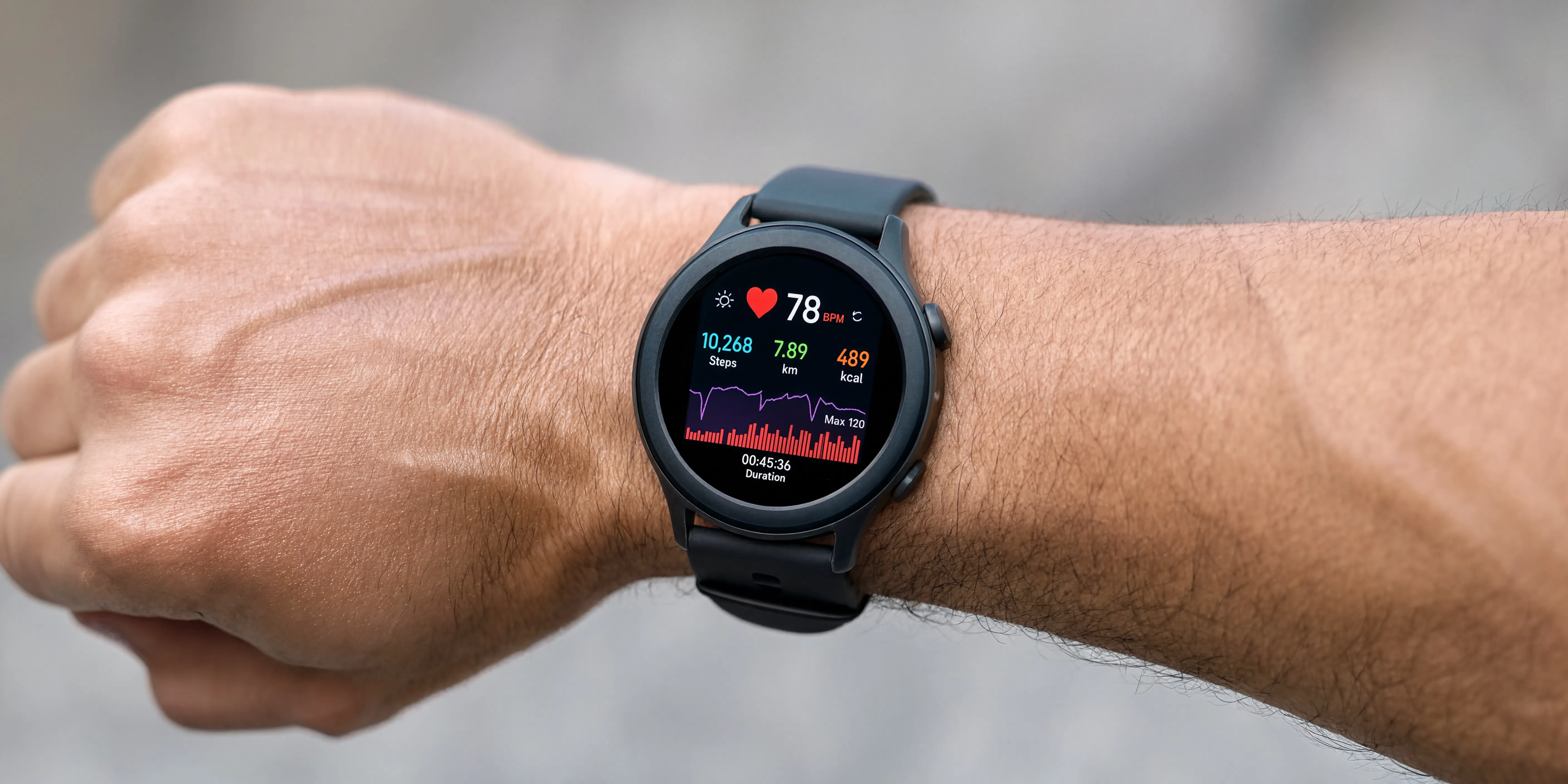
TL;DR
Americans spent 88% more on fitness wearables in 2025 than the year before — your members are already using them. The question is whether your studio is harnessing that data or ignoring it.
This guide covers how to choose the right wearable for your studio type, how to implement it without overwhelming your team or members, and which devices integrate best with fitness studio management software.
Why wearable fitness technology belongs in your studio
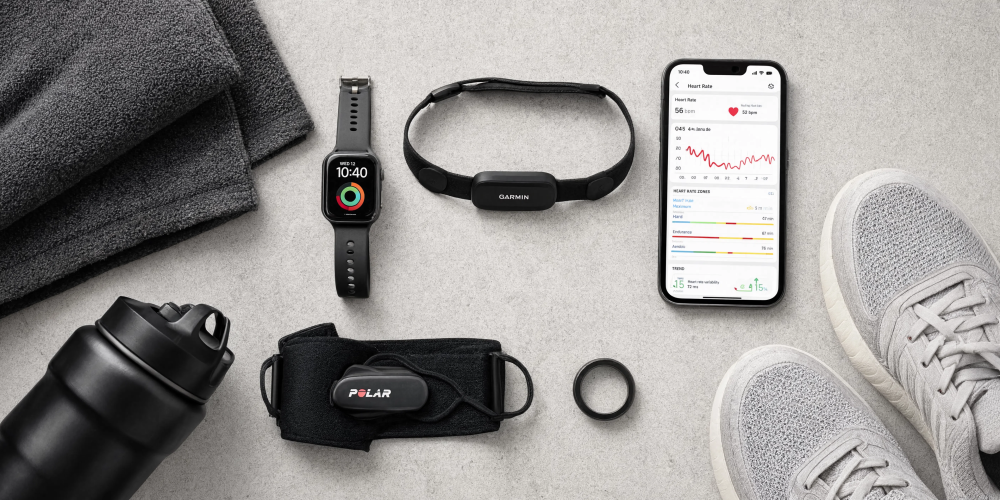
Walk into almost any fitness studio today and you’ll see members wearing an Apple Watch, Fitbit, Garmin, Whoop band, smart ring, or fitness band.
Most studios stop there.
The members collect data. The wearable collects data. But the studio never uses it.
That’s a missed opportunity.
Modern wearable fitness technology has evolved far beyond basic tracking. Today’s wearable devices can continuously monitor heart rate variability (HRV), sleep quality, recovery metrics, blood oxygen levels, stress levels, exercise intensity, and overall physical activity.
The studios winning in 2026 aren’t simply offering workouts. They’re delivering measurable progress.
Personalised training and measurable progress
Generic programmes often lead to generic results.
Wearables give trainers a clearer picture of how members are actually responding to their training, allowing coaching decisions to be based on real data rather than assumptions.
Depending on the device, coaches can access insights such as:
- Recovery status
- Sleep duration and quality
- Heart rate trends
- Calories burned
- Training intensity
- Long-term fitness improvements
Imagine two members following the same programme.
One arrives feeling refreshed, with strong recovery metrics and good sleep scores. The other has had several nights of poor sleep and shows signs of accumulated fatigue.
Without access to this information, both members would likely complete the same workout. With wearable data, however, coaches can make informed adjustments to training intensity and recovery strategies, helping members perform at their best while reducing the risk of burnout.
Many modern wearable platforms now go a step further by using AI to analyse recovery, sleep, and activity patterns. This can help trainers identify when a member may benefit from a lighter session or additional recovery time.
The result is more personalised coaching and more meaningful conversations between coaches and members.
It also helps build trust.
When members can clearly see improvements in their fitness metrics over time, progress becomes easier to understand and easier to appreciate.
People rarely lose motivation because results stop happening overnight. More often, they lose motivation when they can no longer recognise the progress they’re making.
Wearables help bridge that gap by making progress visible, measurable, and easier to celebrate.
Member retention and gamification
Most retention problems start long before a cancellation request arrives.
Members gradually disengage when they stop seeing evidence that their efforts are paying off.
When members don’t see progress, they stop believing it’s happening.
Wearables solve that challenge.
For example, if attendance starts dropping while daily activity levels and workout frequency also decline, coaches can intervene before a member disappears completely.
Daily step counts, calorie burn, sleep insights, recovery metrics, and activity tracking create a constant stream of positive feedback.
Small wins become visible.
Visible progress becomes motivation.
Studios can strengthen this effect further through gym member retention strategies and team challenges that transform individual workouts into shared experiences.
Leaderboards, heart rate zone competitions, milestone badges, and participation rewards all create stronger engagement.
A member who feels connected to their progress is harder to lose.
A member who feels connected to a community is even harder to lose.
Data-driven business decisions
Most studios measure attendance.
High-performing studios measure behaviour.
Wearable fitness tracking provides valuable insights into:
- Class engagement
- Workout intensity
- Training frequency
- Recovery trends
- Programme effectiveness
Instead of guessing which classes create results, you can identify them through health data.
Most fitness trackers now collect far more than basic activity metrics. They provide insights into how members approach their exercise routine, recover between sessions, and respond to different training programmes over time.
Some advanced wearables can even flag health indicators such as elevated stress levels, irregular heart rate patterns, or trends associated with high blood pressure, helping members make more informed decisions about their training and overall wellbeing.
AI-driven wearable platforms increasingly analyse large amounts of raw data and highlight patterns automatically.
That helps studio owners make better decisions about programming, staffing, scheduling, and member experience.
The result?
Less guesswork.
More confidence.
New revenue streams from wearable programmes
Many studio owners evaluate wearables as an expense.
The better question is whether they’re a revenue opportunity.
The strongest wearable programmes aren’t sold as technology.
They’re sold as outcomes.
Examples include:
- €9.99/month for FitZone access and heart rate-based classes
- €19/month for recovery tracking and monthly coaching reviews
- €29/month for premium performance coaching with wearable reporting
Members don’t buy data.
They buy accountability, progress, and better results.
Members increasingly expect personalised guidance.
Wearables make that easier to deliver at scale.
A dedicated fitness tracker combined with coaching creates a service members can clearly see and value.
It’s far easier to justify a premium membership when members can see measurable progress every week.
Competitive differentiation
Standing out in today’s fitness market is becoming increasingly difficult.
Most studios promote similar benefits: expert coaching, a strong community, and great member experiences. While these factors remain important, they can also be difficult for prospective members to evaluate before joining.
Wearable technology adds a more tangible layer to the member experience.
By tracking metrics such as heart rate, recovery, training intensity, and overall activity levels, studios can provide objective insights that help members better understand their progress.
Rather than relying solely on how a workout feels, members gain access to data that shows how their habits and training efforts are contributing to their goals.
For studio owners, this creates an opportunity to offer a more personalised and measurable experience—one that can help differentiate their services in an increasingly competitive market.
How to choose the right wearable for your studio type
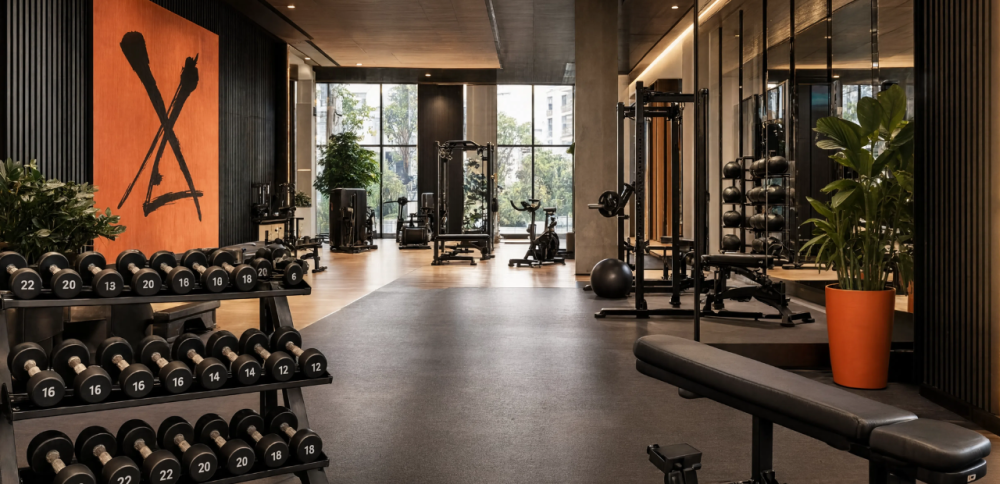
The best fitness tracker for a runner isn’t necessarily the best fitness tracker for a boutique studio.
Your decision should start with your business model.
Not the device.
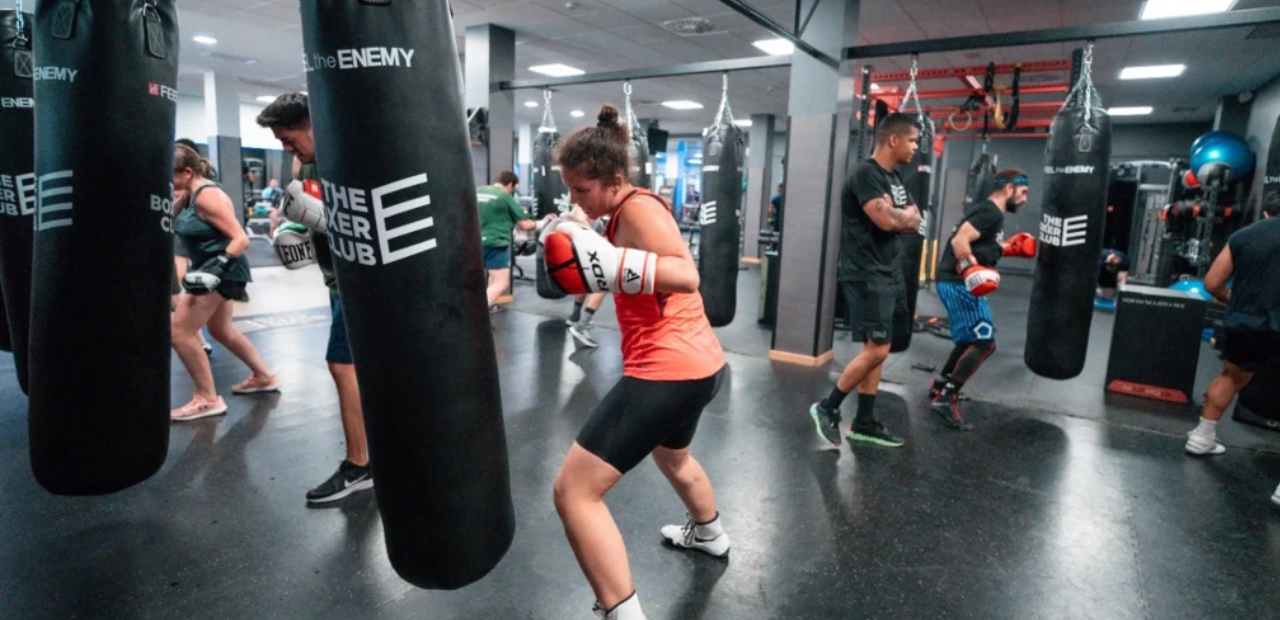
HIIT and bootcamp studios — heart rate monitors and live displays
HIIT and bootcamp environments thrive on energy.
Members want immediate feedback.
Heart rate displays turn effort into a visible experience.
Members no longer have to guess whether they’re training hard enough.
The best wearable for HIIT studio environments typically focuses on:
- Continuous heart rate monitoring
- Real-time displays
- Group leaderboards
- Heart rate zones
- Fast data syncing
Chest straps often deliver higher accuracy during intense exercise compared to wrist based trackers.
That’s particularly important during sprint intervals, circuits, and high-intensity classes.
Studios that integrate wearables into group fitness classes tips often find that participation and engagement increase because members can instantly see their effort.
The workout becomes interactive.
Not just instructional.
That’s one reason many studios report higher participation and engagement when heart rate zones are displayed publicly during class.
Strength and functional training studios — strain, power output, recovery
Strength training creates a different challenge.
The goal isn’t simply moving more.
It’s managing performance and recovery.
Wearables focused on recovery metrics can help trainers monitor:
- HRV
- Sleep and recovery
- Training load
- Recovery readiness
- Long-term progression
New wearable fitness tracking technology increasingly measures muscle activation, movement quality, and readiness scores.
It helps coaches answer one of the most common training questions:
“Should I push today or should I recover today?”
Wearable data removes much of that guesswork.
That’s particularly valuable for serious athletes and advanced members.
Wellness and recovery studios — HRV, sleep, stress tracking
Recovery is becoming a category of its own.
Studios focused on wellness, mobility, longevity, and recovery need different metrics than traditional gyms.
The most relevant features include:
- Sleep tracking
- Sleep duration
- Sleep quality
- Stress monitoring
- Blood oxygen tracking
- Blood pressure trends
- HRV tracking
Many wearable devices now calculate readiness scores based on recovery data.
These insights help members understand whether their body is prepared for intense exercise or needs additional recovery.
That creates a coaching experience focused on long-term health rather than short-term performance.
Personal training studios — individual data dashboards and coaching integrations
Personal trainers often face a scalability problem.
More clients means more data.
More programmes.
More administration.
Wearables help streamline that process.
Modern coaching platforms can combine health tracking data with training plans, progress tracking, and client communication. Many studios also connect wearable devices with best fitness apps to give members a more complete view of their workouts, recovery, and long-term progress.
For studios focused on one-to-one coaching, integration matters more than device features.
Before choosing a wearable fitness tracker studio solution, evaluate:
- App integrations
- Data syncing
- Reporting capabilities
- Coaching dashboards
- Client experience
Just as importantly, ask whether coaches will actually use the data.
The best wearable in the world creates no value if it never becomes part of the coaching conversation.
Studios that already use wearables for personal trainers and customize workouts around wearable data often create stronger accountability and better client outcomes.
Best wearables for fitness studios: comparison table
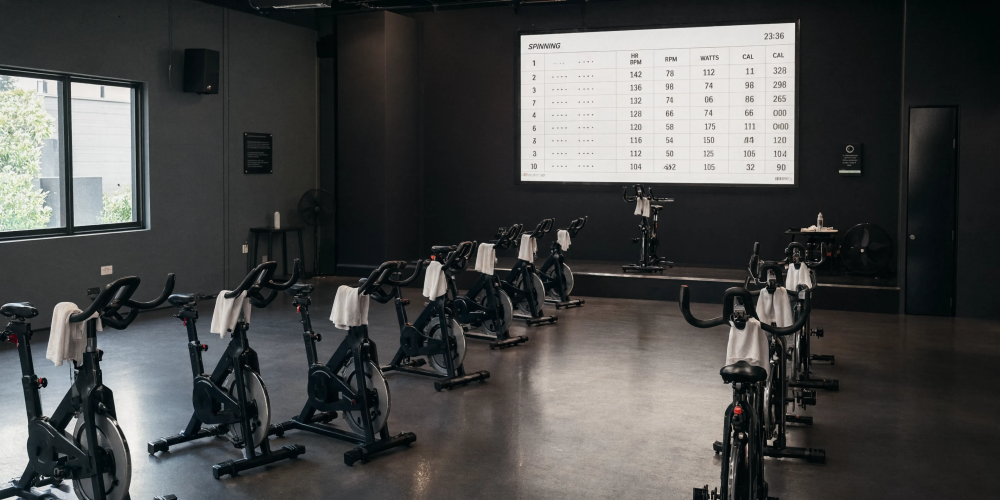
Choosing between devices can feel overwhelming.
The best option depends on your members, coaching model, and business goals.
Device | Best For | Key Metrics | Studio Integration |
|---|---|---|---|
NEO Health BEAT | Group classes | Heart rate, FitZone zones | Native Virtuagym |
NEO Health GO | PT and studios | Heart rate, steps, calories | Native Virtuagym |
Myzone MZ-3 / Switch | Group fitness | MEPs, heart rate | Myzone ecosystem |
Garmin Forerunner 265 | Endurance athletes | GPS tracking, VO2 max, HRV | Garmin Connect |
Apple Watch Series 10 | Apple users | ECG, activity, HR | Apple Health |
Whoop 4.0 | Recovery coaching | Strain, sleep, HRV | API integrations |
Polar H10 | Accuracy-focused training | Heart rate | Polar ecosystem |
NEO6543 Health BEAT
Designed for group fitness experiences.
The device integrates directly with FitZone and enables live heart rate displays during classes.
For studios running group classes, this is often the easiest wearable to implement because members immediately see the value through live heart rate displays and FitZone participation.
NEO Health GO
A practical all-round option.
It combines health tracking, fitness metrics, step counts, and workout monitoring without overwhelming casual users.
Myzone
Popular among studios running challenge-based programmes.
The emphasis on effort points rather than performance metrics makes it accessible for members of all fitness levels.
Garmin
Garmin is ideal for members who care about performance outside the studio, including runners, cyclists, and endurance athletes who want detailed training and recovery metrics.
Built-in GPS, advanced recovery metrics, VO2 max estimates, and detailed training analytics make it ideal for performance-focused members.
Apple Watch
The biggest advantage of the Apple Watch isn’t the fitness tracking itself.
It’s the fact that many members already own one, reducing the need for additional hardware purchases.
The Apple ecosystem, Apple Health integration, smart features, Google Maps alternatives, Google Wallet competitors, and third party apps make it appealing for everyday use.
Whoop
Focused almost entirely on recovery.
Instead of counting steps, it prioritises strain, recovery, HRV, sleep quality, and readiness.
A strong option for members interested in optimisation.
Polar H10
Chest straps remain the benchmark for heart rate accuracy.
While it lacks smartwatch features, it excels at one job: accurate heart rate monitoring.
How to implement wearables in your fitness programmes: step-by-step
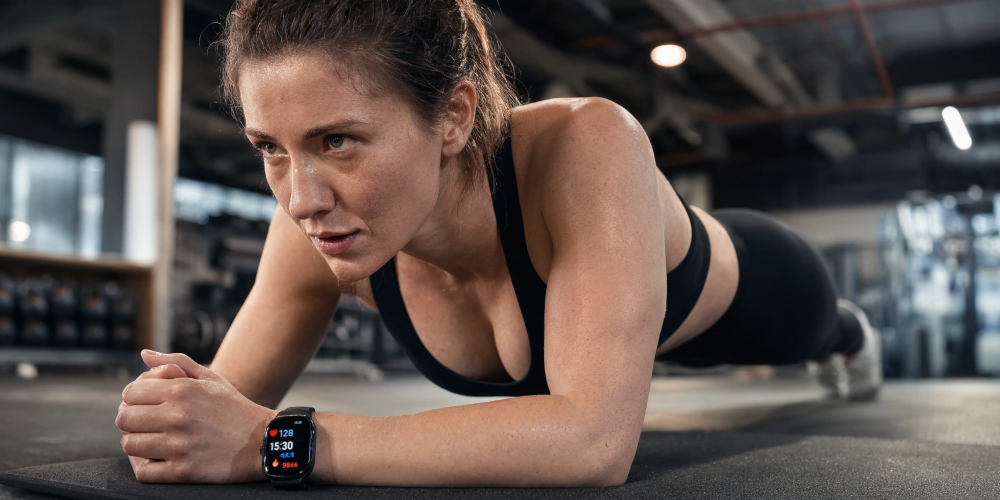
Many wearable programmes fail because studios try to do too much too quickly.
The most successful implementations start small.
Step 1: Define a measurable goal
Bad goal: “Improve engagement.”
Good goal: “Increase average member visits from 1.8 to 2.4 visits per week within 90 days.”
Don’t start with technology.
Start with an outcome.
Examples include:
- Improving retention
- Increasing class attendance
- Creating upsell opportunities
- Enhancing coaching quality
A clear objective makes every future decision easier.
Step 2: Start with one programme
Avoid launching studio-wide immediately.
Choose a single programme.
Examples include:
- HIIT classes
- Weight-loss challenges
- Small-group coaching
- Premium memberships
Pilot first.
Expand later.
Step 3: Make wearables part of the experience
Technology alone doesn’t create engagement.
Experiences do.
Integrate wearables into:
- Leaderboards
- Team competitions
- Challenges
- Milestone celebrations
The wearable should enhance the workout.
Not distract from it.
Step 4: Train coaches to use the data
Technology doesn’t create engagement.
Coaches do.
Wearables simply give coaches better conversations to have.
Teach coaches how to explain:
- Recovery metrics
- Heart rate zones
- Sleep insights
- Fitness tracking trends
Members care less about numbers than outcomes.
Translate data into practical recommendations.
Step 5: Gamify participation
Gamification works because it makes progress visible.
Use wearable data to support:
- Monthly challenges
- Attendance streaks
- Team competitions
- Reward programmes
This approach pairs naturally with how to avoid cancellations initiatives and retention-focused strategies such as the retention planner .
Step 6: Use the data to optimise your studio
The final step is often overlooked.
Review trends regularly.
Look for:
- High-performing classes
- Drop-off patterns
- Recovery issues
- Engagement differences
The more you learn from member behaviour, the better your programmes become.
Heart rate zone training with Virtuagym FitZone™
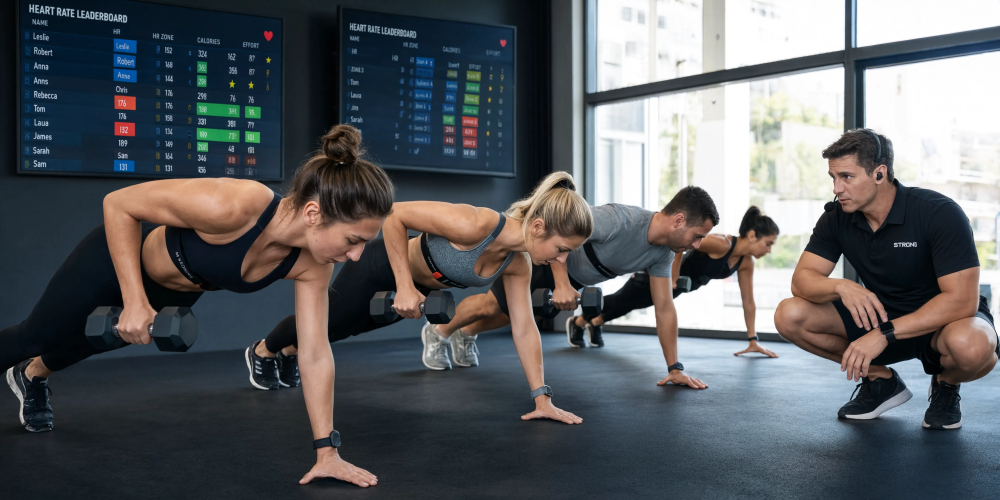
Many wearables collect data.
Most wearable platforms stop at data collection.
The real challenge is helping members understand that data during a workout.
That’s where FitZone stands out.
FitZone turns that data into an experience.
During classes, members see their heart rate zones displayed live on screen.
This creates instant feedback.
It also creates accountability.
Colour-coded zones help members understand whether they’re training for:
- Fat burning
- Endurance
- Performance
- Recovery
Coaches gain immediate visibility into participant effort levels.
Members gain clarity.
Everyone stays more engaged.
Why FitZone works
Most members don’t know whether they’re training at the right intensity.
FitZone removes the guesswork.
The platform syncs with supported heart rate monitors and displays effort levels in real time.
Members can instantly adjust intensity based on their goals.
That improves coaching quality without increasing coach workload.
Better engagement, stronger retention
FitZone introduces an element many studios struggle to create consistently.
Excitement.
The live display encourages participation, healthy competition, and social interaction.
Members become more invested in every session.
That creates stronger habits.
And stronger habits support long-term retention.
Seamless integration
FitZone integrates with compatible wearables and works alongside fitness studio software workflows.
Data automatically syncs, reducing administration and improving member tracking.
Studios can also connect members with FitZone ™ experiences that extend beyond individual workouts and create a more connected fitness journey.
Ready to create a more engaging training experience?
FitZone helps studios transform wearable fitness technology into something members can actually see, understand, and enjoy.
The result is a coaching experience that feels more personal, more measurable, and more motivating.
Common challenges with wearables and how to overcome them
Data overload
Too much information creates paralysis.
Focus on a handful of metrics that directly support your goals.
For most studios, heart rate, attendance, workout frequency, and recovery are enough.
Accuracy concerns
Wearables are improving rapidly.
Still, no device is perfect.
Heart rate accuracy can vary during weightlifting, and GPS tracking is not always precise.
Treat wearable data as guidance rather than absolute truth.
Members stop wearing the device
One of the biggest wearable challenges isn’t the technology itself.
It’s consistency.
Many members start strong. They check their stats daily, track their workouts, and engage with the data. But after a few weeks, the novelty wears off and the device becomes just another accessory.
When members stop wearing the device, the programme quickly loses value. Coaches have less data to work with, progress becomes harder to track, and engagement starts to decline.
The solution is to make wearable data part of the overall member experience.
Studios can improve long-term adoption by:
- Running monthly challenges based on activity levels or heart rate zones
- Using wearable insights during coaching sessions
- Displaying live results during group classes
- Rewarding consistency and participation, not just performance
When members regularly see the value of the data, they’re far more likely to keep using the device.
Coaches ignore the data
Another common challenge has nothing to do with members.
It starts with coaches.
Many studios invest in wearables but continue coaching exactly as before. Heart rate zones, recovery scores, sleep insights, and training trends are collected, but never discussed.
When coaches don’t use the data, members quickly stop paying attention to it as well.
Technology alone doesn’t improve retention or coaching quality.
People do.
Wearables should support coaching conversations, not replace them.
Coaches can use wearable insights to:
- Adjust workout intensity based on recovery data
- Identify early signs of fatigue or overtraining
- Discuss sleep quality and recovery habits
- Show members measurable progress over time
The most successful wearable programmes aren’t driven by technology.
They’re driven by coaches who know how to turn data into meaningful action.
Cost concerns
Wearables can range from budget-friendly trackers to premium smartwatches.
Start with a small pilot programme.
Prove the value before scaling.
Frequently asked questions
What is wearable fitness technology for studios?
Wearable fitness technology refers to devices that track health and fitness metrics such as heart rate, sleep, recovery, activity levels, and workout performance. Studios use this data to improve coaching, engagement, and retention.
Which wearable works best for group fitness classes?
Heart rate monitors designed for group environments typically perform best. Devices that support live displays and heart rate zones create a more engaging class experience.
How much do studio-grade wearables cost?
Costs vary widely. Basic fitness trackers can start around $25, while advanced smartwatches and coaching-focused devices can exceed $400. Features and integrations usually determine pricing.
Can wearables integrate with Virtuagym?
Yes. Many fitness trackers can integrate with Virtuagym, allowing members and coaches to sync workout data, heart rate metrics, and activity tracking in one place.
Do wearables actually improve member retention?
In many cases, yes.
Wearables increase accountability, make progress visible, and create more opportunities for meaningful coaching conversations.
Members who regularly track their progress are often more engaged because they can see evidence that their efforts are producing results.
Wearables make progress visible, improve accountability, support personalised coaching, and increase engagement through gamification.
What’s the difference between a chest strap and a wrist-based tracker for studio use?
Chest straps generally provide higher heart rate accuracy, making them a popular choice for performance-focused training and studio classes. Wrist-based trackers offer more convenience, along with additional fitness tracking features such as sleep monitoring, stress tracking, and activity tracking.
For members looking for a broader health and fitness tracking solution, wrist-based devices often provide a more comprehensive day-to-day experience.
How do I monetize wearables in my studio?
Studios can create premium coaching packages, recovery programmes, wearable-based memberships, challenge programmes, and device sales that generate additional revenue while improving the member experience.
Over the past decade, wearable technology has made it easier to seamlessly monitor progress, giving studios new opportunities to introduce premium subscription options built around personalised coaching, recovery insights, and performance tracking.