15 min
Luxury gyms don’t win because they look expensive. They win because members don’t want to cancel.
That’s the real advantage. Not marble. Not price. RETENTION 🔒
Premium clubs are the benchmark for customer experience in fitness. Not because they have bigger budgets, but because they design every visit with intent.
From the moment someone walks in to the moment they leave.
This article breaks down what that “luxury journey” actually looks like, and how any gym can apply the same principles without spending like Equinox.
What a “luxury gym experience” really means
A luxury gym experience isn’t about price or materials. It’s about:
- reducing friction
- building habits
- making members feel confident, supported, and proud to belong
Every single visit.
From entry to exit.
No marble. No luxury budgets. Just the principles that drive engagement, consistency, and retention.
The luxury journey framework
Luxury isn’t about price. It’s about how the gym feels across one full visit.
Most premium clubs design the experience as a journey:
- Entry: first impressions, flow, confidence
- Workout: space, service, motivation, friction removal
- Recovery: calm, wellness cues, habit reinforcement
- Exit: emotional aftertaste, pride, “see you tomorrow” feeling
Let’s break down what happens in each stage and how any gym can apply it.
STAGE 1. Entry experience: first impressions, flow, and confidence

Functional layout vs. experiential design
A regular gym organises by function: cardio areas here, strength training there, functional training in the corner. Everything is technically correct, but emotionally flat.
A luxury gym organises by experience:
- what do you see first when you walk in?
- how does the energy change as you move through the space?
- where do you naturally slow down?
- which zones feel aspirational, not just practical?
The best clubs don’t just separate areas. They create scenes.
Like a great restaurant: every place has tables, but not every place makes you feel “wow.”
If you’re planning a new space, this is where layout decisions matter most. Here’s our Ultimate Guide on How to Open a Gym
Luxury doesn’t always mean more square metres
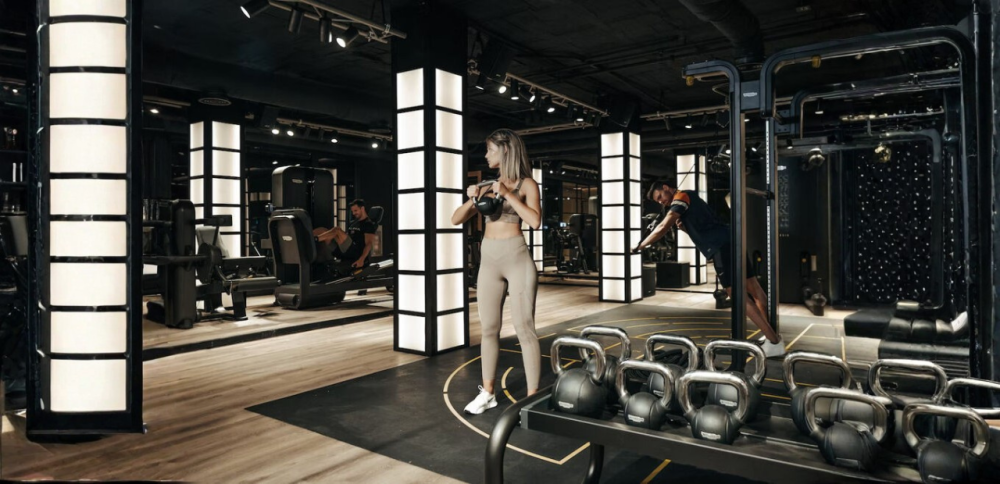
Luxury does not automatically require more physical space. It requires less mental friction.
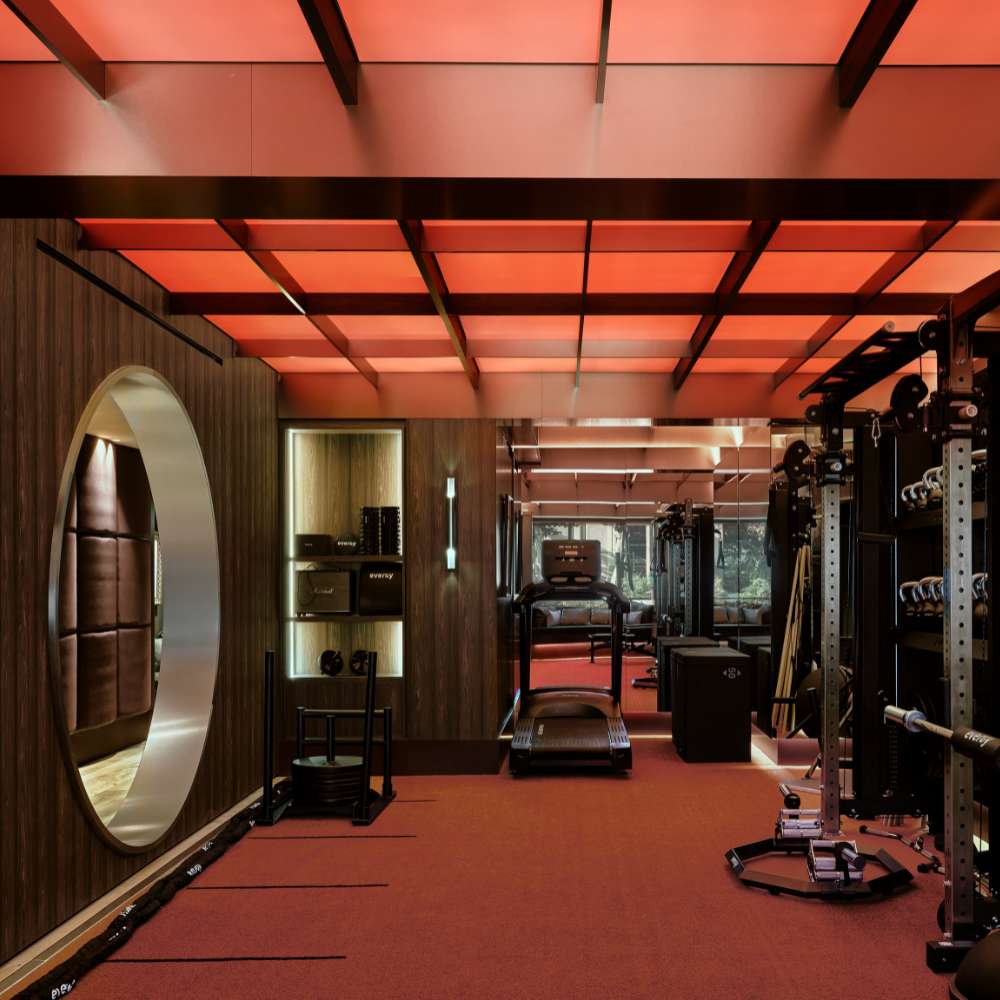
The Qlture is a strong example. With roughly 400m², it still feels premium from the moment you enter. Not because it’s large, but because nothing feels accidental.
Premium boutique spaces achieve this through curation and control. There are fewer elements, but each one is chosen deliberately. Equipment is placed with intention, not crammed in. Walkways stay clear, visual clutter stays out of sight, and circulation feels clean even at busy moments.
That’s luxury in 400m²: clarity, calm, and flow.
A regular gym of the same size often feels crowded even when it isn’t, simply because the space overwhelms you visually.
Finishes matter, because luxury is felt before it’s explained
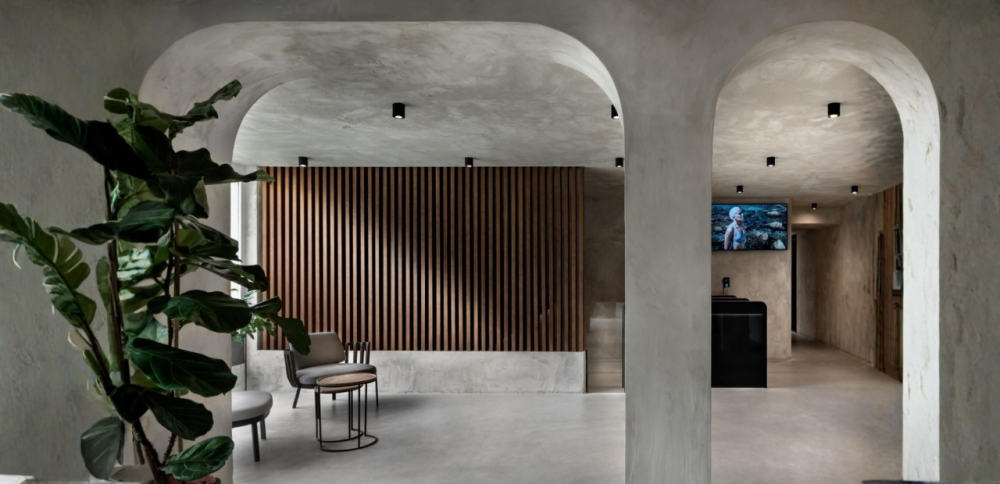
Luxury is felt before it’s explained. Before members start a workout, the environment already shapes how the gym, the brand, and the experience are perceived.
- Materials set the tone. Wood, stone, microcement, and matte metals create warmth and depth. The space feels closer to hospitality than a sports hall, and members feel more comfortable spending time in it.
- Lighting guides mood. Warm light signals calm in wellness areas, while more focused lighting supports energy in strength and cardio zones. Flat fluorescent light is avoided because it instantly cheapens the experience.
- Acoustics control stress. Less echo, softer impact noise, and music that supports rather than dominates makes the room feel focused instead of chaotic.
- Signage and visual order protect mental space. Minimal, intuitive wayfinding beats posters and promos competing for attention. That calm is part of what makes the experience feel premium.
That visual order creates mental space. And mental space is a big reason why training in a premium club feels different.
STAGE 2. Workout experience: structure, service, and friction removal
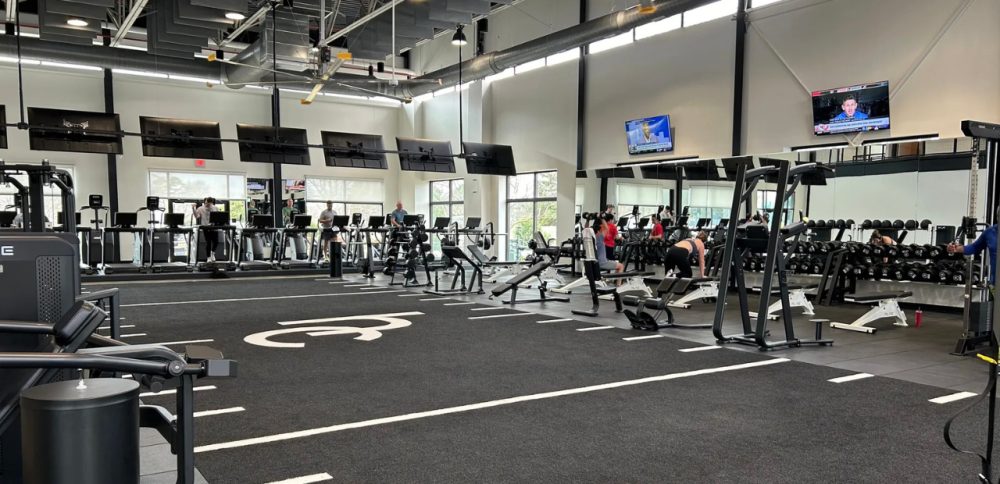
Luxury gyms don’t design one generic experience. They design multiple member journeys inside the same club, so different people can use the same fitness facilities and still feel the space fits their goals.
That’s a big reason luxury gyms set the benchmark for the fitness industry—and why fitness club owners and gym owners look to them for inspiration.
They design zones with different energy (and a clear business logic)
Luxury gyms intentionally design spaces with different moods:
- high-energy strength zones
- calmer stretching and quiet areas
- functional training zones
- boutique studios
- wellness facilities
- dedicated recovery areas
This is thoughtful gym design with a double purpose: a better guest experience and a smarter use of space (and revenue per m²)
In luxury gyms, the commercial logic is part of the design:
- recovery areas enhance wellbeing and increase retention
- boutique studios build habit and community, while supporting premium services
- coaching corners help members progress and naturally drive personal training revenue
In a high end fitness club, the zones that feel best are often the ones that perform best commercially.
Friction is removed so training feels effortless
Luxury gyms remove the small blockers that turn a good intention into a missed session.
It’s not one big thing. It’s dozens of micro-frictions that disappear: check-in is fast, walkways are obvious, equipment is where you expect it to be, and nothing feels broken or “almost working”.
When workouts feel effortless, they turn into habits. And habits keep people coming back.
The experience adapts to the member, without formal “programs”
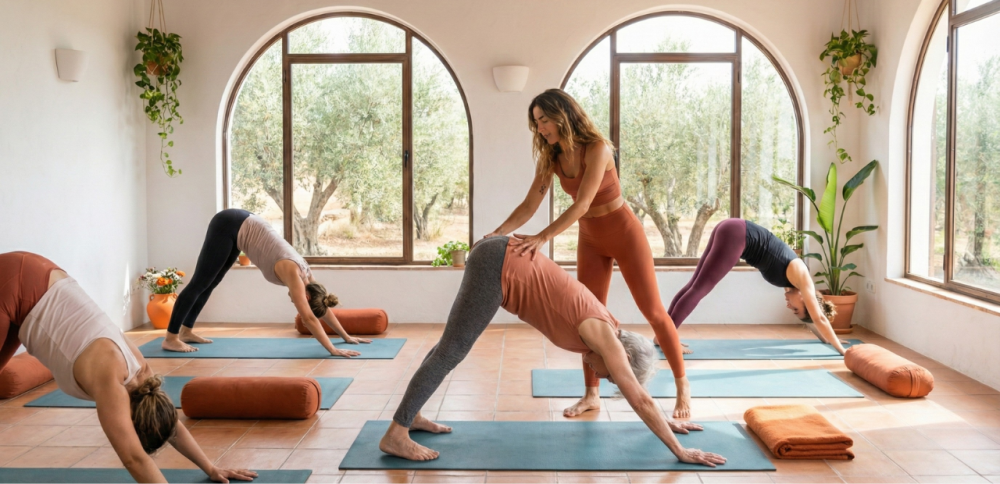
Luxury gyms don’t design around age or gender. They design around intent. Why is someone here?
Some members focus on strength training or weight training. Others prioritise wellness, post workout recovery, or stress reduction. New members need clarity and confidence, while busy professionals want fast access, efficient workouts, and minimal friction.
This doesn’t mean luxury gyms run complex onboarding programs. What they usually have is operational capacity: more time, more human interaction, and more flexibility to adapt the experience. That’s a key difference from many health clubs.
Instead of a quick tour, staff ask questions, recommend services, book classes, or guide members to the right workout zones. It’s more personal, not necessarily more formal.
Staff act like experience designers, not operators
In luxury gyms, staff don’t just manage the facilities. They shape the customer experience.
Members are recognised. Trainers adapt guidance to the client. Support is proactive but never intrusive. That hospitality mindset is what elevates a gym into a fitness brand.
STAGE 3. Recovery experience: wellness cues and calm consistency
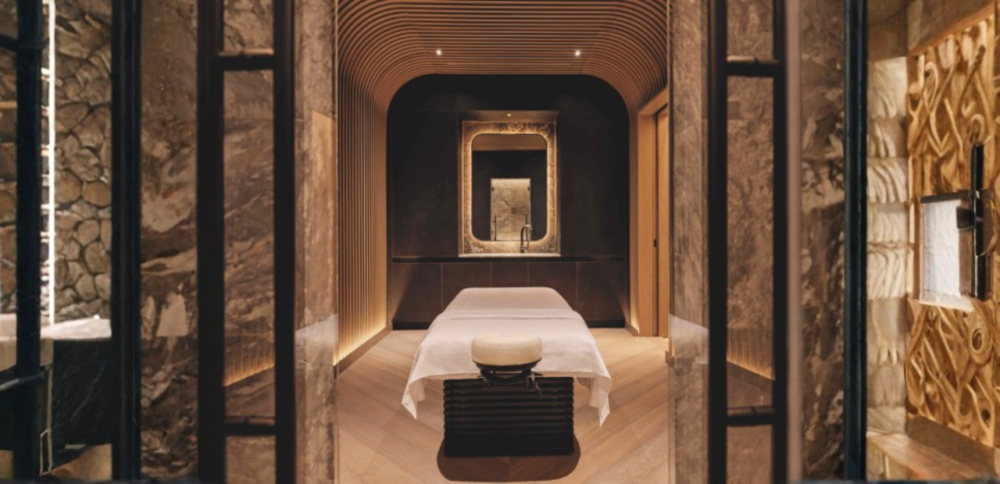
By the time a member reaches recovery, the workout is already done.
What matters now is the emotional reset that makes them want to come back.
Why this matters for retention
A workout can be replaced. A feeling is much harder to cancel.
Recovery is where luxury gyms lock in the emotional value of the visit. Members leave calmer, more balanced, and more satisfied than when they arrived.
And when the gym consistently delivers that feeling, coming back feels natural.
Calm is designed, not accidental
Recovery spaces in premium clubs feel different the moment you step into them.
Lighting becomes warmer. Sound is softer. Visual noise disappears. There’s less equipment, more space, and nothing demanding attention.
This contrast matters. It signals to the nervous system that the hard part is over, and that the gym supports wellbeing, not just performance.
Consistency builds trust
Luxury recovery experiences don’t rely on novelty. They rely on reliability.
The space feels the same every visit. Clean. Quiet. Predictable.
That consistency builds trust and lowers decision fatigue. Members don’t need to think. They just move into recovery mode automatically.
Over time, this predictability becomes part of the habit loop.
Recovery reinforces identity
When recovery is treated with intention, it changes how members see themselves.
They’re not just “people who work out”.
They’re people who take care of their bodies, manage stress, and invest in long-term health.
That identity shift is powerful. It’s one of the reasons members stay, even when motivation dips.
STAGE 4. Exit experience: pride, belonging, and the habit loop
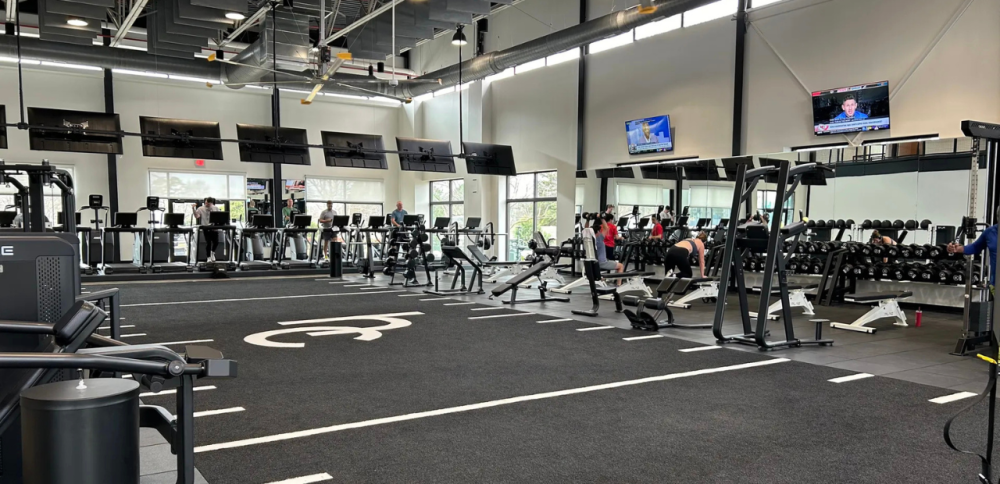
Belonging turns visits into habits
Luxury gyms understand that retention isn’t only rational. It’s emotional.
They create an inviting environment with natural light, mood lighting, clear brand identity, and a unique style that members associate with health, fitness, and a certain way of life.
Members don’t just use the gym. They belong to a club. And that sense of belonging enhances the member experience far beyond the workout itself.
Privacy in luxury gyms doesn’t mean hiding
Luxury gyms are social spaces. Members enjoy being associated with a premium club, and many are proud to show where they train.
Privacy in this context doesn’t mean isolation. It means feeling comfortable and confident, even when others can see you.
Premium privacy shows up in subtle design decisions. Mirrors are placed so you don’t feel exposed from awkward angles. Workout zones look good on camera without feeling performative. There are areas where you can train intensely without feeling watched, and corners for coaching or technique work that don’t disrupt the overall flow.
In a regular gym, you’re often either exposed or hidden. In a luxury gym, the space is Instagrammable but still comfortable.
Invisible technology: the layer that keeps it effortless
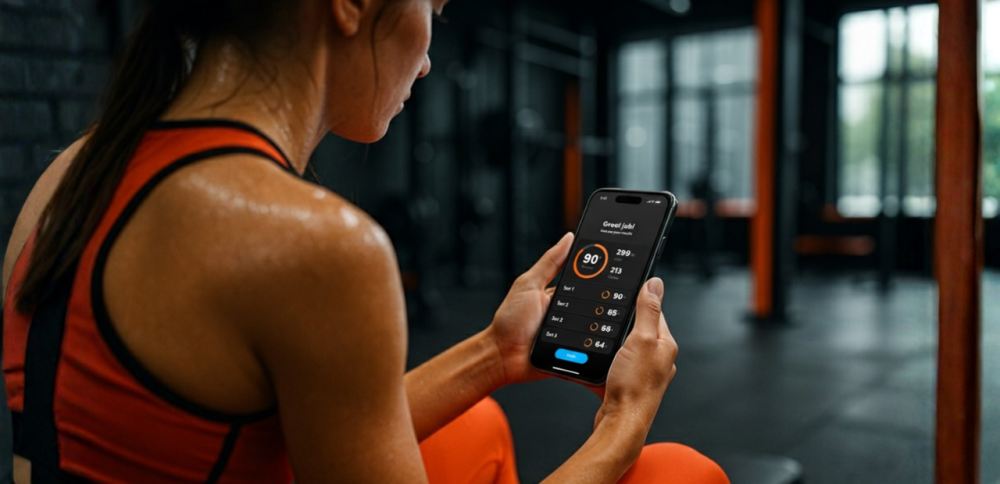
Everything above is built through design and people. But premium gyms also rely on an invisible layer: technology that removes friction without breaking the experience.
Automation that simplifies access and flow
Premium gyms use technology as an invisible layer. It removes friction without interrupting the human feel of the club.
Access is fast and intuitive, often via QR or automated check-in. Booking classes or services takes seconds. Payments, schedules, and preferences sit quietly in the background.
- For members, this creates a smooth, focused routine.
- For gym owners and fitness club owners, it reduces operational noise and keeps the space running predictably—even during peak hours.
This is exactly the kind of problem clubs like The Qlture wanted to avoid from day one.
Before opening, the team knew that without the right technology, operational friction would inevitably leak into the member experience. Their priority wasn’t “having software,” but having a system that removed obstacles and allowed the team to stay fully focused on people.
Technology that supports the gym’s layout
Good technology respects the layout instead of fighting it.
Capacity management can reduce congestion in high-demand zones. Better predictability around equipment availability makes training feel calmer, even when the gym is busy.
This is also where layout-friendly training tech matters.
Instead of adding screens everywhere or forcing a redesign, some systems quietly support existing equipment.
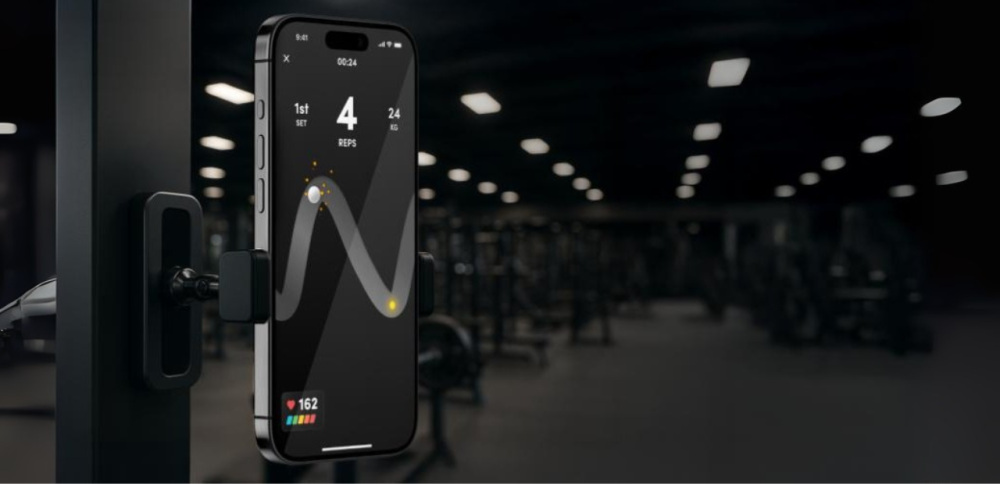
For example, Virtuagym Connect can automate the capture of sets, reps, and load from compatible strength machines, without changing how members move through the space.
The effect is subtle but meaningful: more structure in strength areas, smoother coaching, and less device distraction.
It improves the experience without turning the gym into a tech showroom.
Personalisation that stays in the background
In premium spaces, personalisation shouldn’t feel like data overload.
Used well, wearables, connected equipment, and automated messaging support smarter coaching and reinforce progress without constant manual follow-up.
The relationship stays human, the system stays invisible.
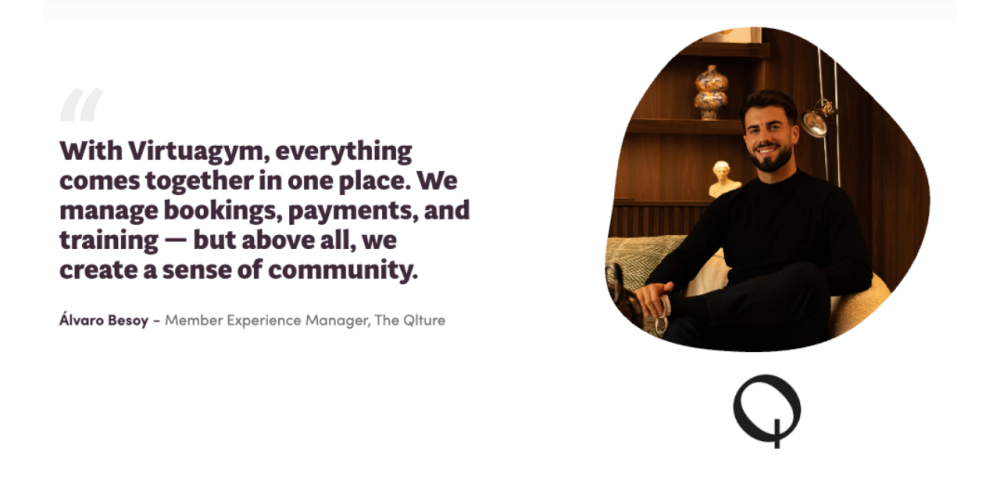
For The Qlture, this ability to communicate directly and consistently with members through one central platform became essential. Not because it looked advanced, but because it created continuity, trust, and a stronger sense of community beyond the physical space. In their own words:
What’s great about managing all communication through the app is that it gives you peace of mind. And since it’s fully customized, you can adjust to each member’s needs almost instantly.
Consistency builds trust
One of the most underrated benefits of automation is trust through consistency.
Systems ensure bookings, communications, access, and services are handled the same way every time, regardless of who’s on shift or when members train. That reliability is a core pillar of strong member experience and long-term retention.
When teams have a clear overview of everything happening in the club—members, schedules, payments, training—they can operate with confidence. And when staff feel in control, members feel it too.
This is where technology stops being a tool and becomes infrastructure: not visible, not impressive on its own, but essential for delivering a premium experience day after day.
When technology strengthens brand identity
In well-positioned fitness clubs, even technology reflects brand identity.
Apps, portals, and automated messages follow the same tone, style, and visual language as the physical environment. Lighting, mood lighting, natural light, clear walkways, and thoughtful design are mirrored digitally through a coherent fitness brand experience.
When technology works like this, it becomes what it should be: an invisible layer that enhances workouts, supports trainers and clients, and helps members stay consistent with fitness, health, and wellness—without ever having to think about how it all works.
Want expert advice on getting this right?
Why luxury gyms outperform others on retention
The clubs that lead on retention aren’t selling access to gym equipment. They’re selling a premium lifestyle delivered through design, service, and consistency from entry to exit.
How retention is built across the journey:
- Entry: value perception starts immediately
- Workout: friction removal, coaching, and availability
- Recovery: wellness cues reinforce habit and identity
Exit: emotional aftertaste drives the “see you tomorrow” feeling
They compete on value, not price
“Too expensive” is the top reason people cancel a gym membership. Around 41% of cancellations are driven by cost, especially when perceived value drops.
In a high end fitness club, members expect more—and they stay when the experience consistently delivers.
Clean fitness facilities, high-quality equipment, available cardio machines, organised workout zones, and consistent service reinforce value week after week.
They design the gym like hospitality, not like fitness facilities
The most successful clubs don’t think like fitness facilities. They think like hotels.
Smooth access, clear walkways, natural light, mood lighting, and a calm flow through the gym’s layout all support comfort and ease. Staff are trained like hospitality teams, which directly impacts retention.
A large analysis across 10,000 fitness facilities showed that 12-month retention was more than five times higher for members who were spoken to on every visit. These micro-interactions are built into daily operations.
They master the first 90 days for new members
Top-tier operators know the first 90 days determine long-term retention.
Onboarding is guided, not rushed. New members get clarity around workouts, equipment, and services—from strength training and cardio areas to functional training zones.
That early structure reduces overwhelm, builds routine, and strengthens the overall member experience.
Explore more Gym member retention strategies for 2026
They create habits through classes and community
Group exercise isn’t treated as an add-on. It’s a core retention engine.
Members who attend classes are consistently more loyal and more likely to recommend their fitness club. That’s why premium clubs invest in signature classes, strong trainers, and full timetables that create routine and social connection.
Habits are harder to cancel than memberships.
They reduce friction across the entire gym experience
Luxury gyms obsess over removing friction because friction kills consistency.
Booking is easy, often via app or QR code. Equipment is available and working. Cardio equipment, free weights, squat racks, resistance bands, and small equipment are where members expect them. Spaces aren’t overcrowded, and recovery areas are clearly defined.
Fewer annoyances mean fewer excuses—and more workouts.
They make members feel proud to belong
Retention isn’t only rational. It’s emotional.
Through design, atmosphere, and consistency, luxury gyms create strong brand identity. Beautiful facilities, a unique style, and an inviting environment make members proud to belong.
And that pride is why understanding how gyms provide a luxury experience from entry to exit matters for every gym owner—regardless of size, budget, or positioning.
They build relationships, not transactions
In luxury gyms, members don’t feel anonymous.
They’re recognised, checked in on, and supported when motivation drops. That human connection turns customers into members—and members into advocates.
It’s a simple shift, but it dramatically improves customer experience and loyalty.
Bonus: 14 small luxury touches any gym can implement
Now that you understand the journey, here’s a checklist of small details that make the experience feel premium.
1. “Everything has a home” (instant premium order)
Visual order
- Silhouettes or outlines on racks (missing items are obvious)
- Plates, bands, and small equipment always aligned
Clear labeling
- Discreet labels: “2.5 kg plates here”, “Bands here”
- No guessing, no clutter
2. The “hotel bathroom” feeling (no renovation)
Hospitality basics
- Mini tray: hand cream, tissues, cotton pads
- Soft, consistent scent (never changing daily)
Functional details
- Mirrors always spotless
- Working hangers + extra hooks
- Lidded bin (feels cleaner instantly)
3. Micro-amenities that feel like a “wow”
Prepared-for-life moments
- Shower towels
- Hair dryer / straightener (if relevant)
- Makeup wipes (mini packs)
- Hair protectors for showers
- Visible band-aids / first aid basics
4. The premium hydration corner
Make it intentional
- Cold water that’s actually cold
- Small sign: “Refill your bottle here”
Tiny upgrade
- Lemon or cucumber slices 1–2x per week
5. Sensory luxury (no build-out)
Light
- Warmer lighting in stretching / recovery areas
Sound
- Stable music volume (no spikes)
Scent
- One subtle, recognisable club aroma
6. Photo-ready spaces (because perception matters)
One clean moment
- Large mirror, always perfect
- Good light, no visual noise
Brand detail
- Subtle logo
- No taped posters or improvised signage
7. Comfort details that extend visits
Simple comfort
- A few benches in locker rooms
- Clear place for bags (nothing on the floor)
Equipment condition
- Bands, straps, mats in good shape
- No worn or smelly accessories
8. Cleanliness signals that scream quality
Visible discipline
- Plate reset every 20–30 minutes
- Nothing left on the floor
Stock always ready
- Wipes full
- Spray working
- Bins empty
9. The mirror test
One non-negotiable
- Perfect mirrors, always
(If mirrors are dirty, everything feels cheap)
10. Bathrooms treated as a product
Absolute basics
- Dry floors
- No bad smells
- Soap and paper always full
Peak-hour support
- Extra hooks, bins, or benches if needed
11. Recovery micro-zones (no construction)
Minimal setup
- 3–5 essentials only
- Foam rollers + mats clean and organised
Gentle guidance
- Small sign: “5-minute reset routine”
- Calm light if possible
12. Member communication that feels personal
Close the loop
- “We fixed it” messages
Simple guidance
- One-page welcome checklist
- Monthly “what’s new” update
Celebrate consistency
- “You’ve trained 8 times this month 👏”
13. Staff standards that create consistency
Simple rules
- One visible floor walk every 20–30 minutes
- No staff huddles at the desk
Micro-interactions
- “3 hellos per hour” habit
14. The retention gold: making members feel seen
Recognition beats renovation
Remember names and goals
Notice absence
Celebrate progress