 5 min
5 min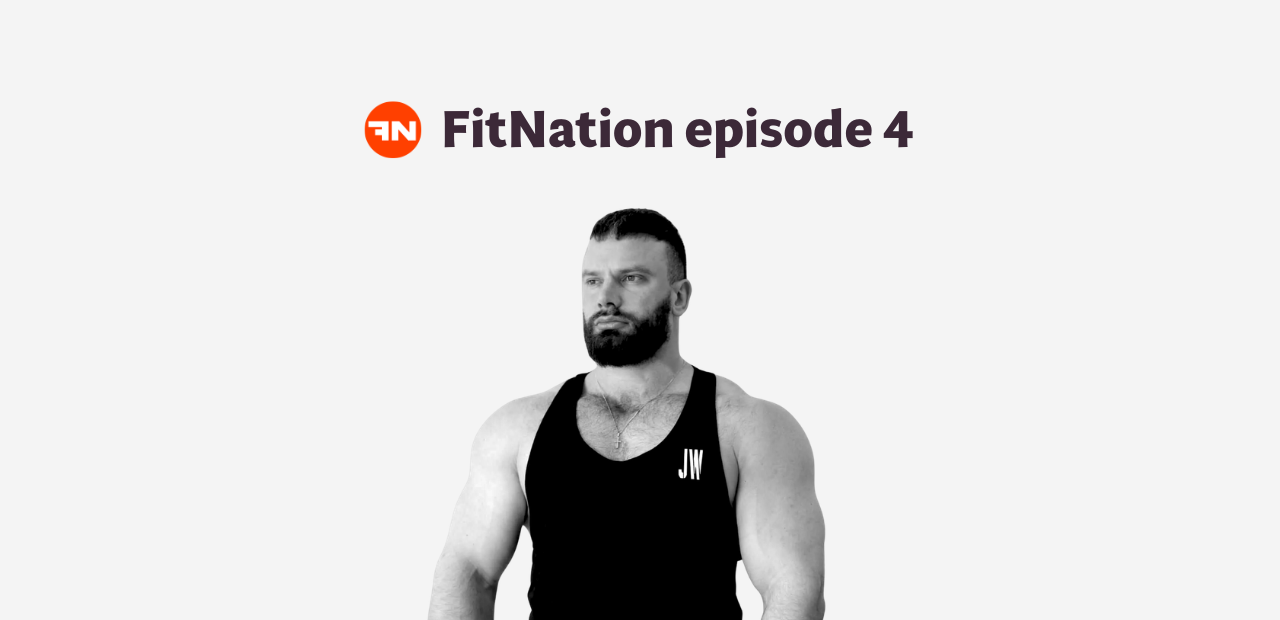
Peptides are everywhere.
Scroll through TikTok and you’ll see recovery hacks, anti-aging claims, fat loss promises, and “next-level performance” protocols presented as the future of fitness.
It’s not that an average commercial gym is suddenly full of members asking for peptide protocols. But coachers and gym owners are starting to encounter it.
Maybe not daily. Maybe not loudly. But clients experiment. Some try weight loss peptides while lacking structure in training. Others follow online advice without understanding the full picture. And at some point, they walk into your gym.
The Real Question: What Is Your Role as a Coach?

Jay operates in the bodybuilding world, where conversations around enhancement are common. But his view isn’t reckless promotion, and it isn’t moral panic either.
His stance is clear: If you are not medically qualified, you do not give medical advice. Full stop. But that doesn’t mean you ignore the conversation. What he argues for is education without prescription.
Instead of saying “don’t do it” or pretending it doesn’t exist, the coach’s role is to:
- Explain that there are risks.
- Emphasize that long-term health monitoring (bloodwork, medical supervision) is essential.
- Reinforce that training and nutrition structure must be in place first (that’s where you come in as a coach).
- Clarify that no compound replaces fundamentals.
That last point is critical.
Because what many operators see — especially with weight-loss medications — is this:
Clients want accelerated results while skipping the behavioral foundation. That’s not a peptide problem, but a structure problem. And structure is the coach’s domain.
Jay Whey even created a course called “Ik Wil Kuren” (“I Want to Cycle”) — not to push usage, but to lay out the full landscape: mechanisms, risks, psychological dependency, health implications. Interestingly, many who took the course decided against using anything at all.
Coaches and gym owners need to look for the middle ground that provides responsible education and clear boundaries. You are reinforcing fundamentals and directing people toward proper medical supervision if they choose to go further. That’s a mature operator mindset.
If you’re serious about building in the fitness industry — not just reacting to it — this conversation is worth your time.
🎧
Listen on Spotify
📺
Watch on YouTube
From Cultural Trends to Operational Reality
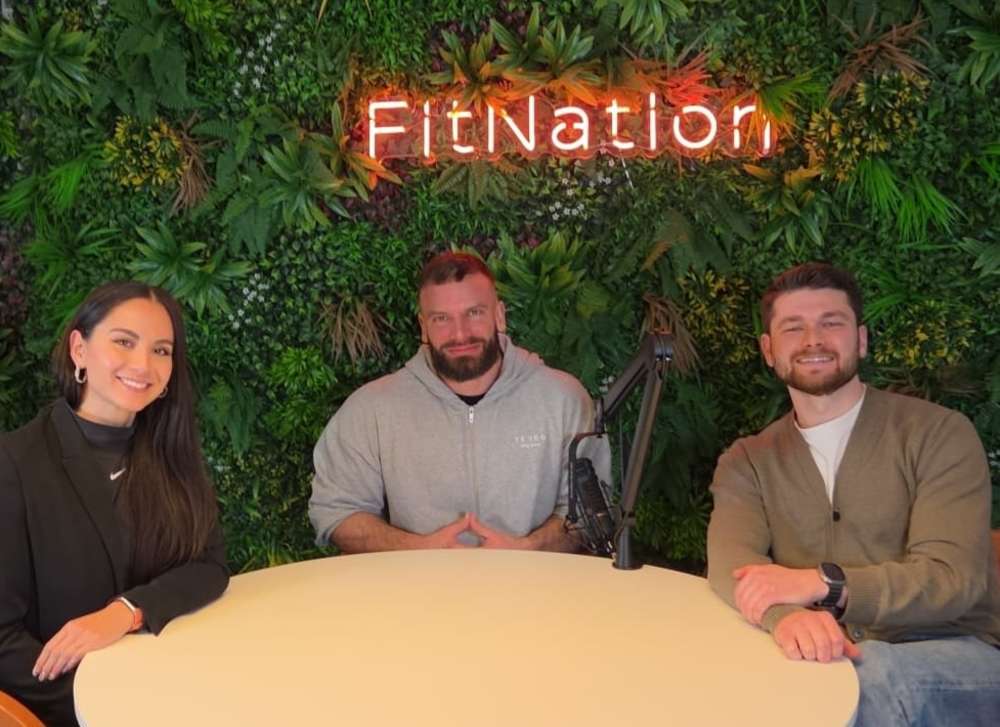
That discussion sets the tone for something bigger. Jay Whey approaches controversial topics mirrors how he approaches business: calm and long term. And that becomes very visible when you look at his gym Pillars of Strength .
Opening a gym was a ten-year ambition. Ten Years. That’s important, because too many coaches romanticize owning a facility without understanding what changes when fixed costs enter the equation.
Coaching has flexibility but a gym doesn’t. You have your monthly rent, equipment financing and utilities most definitely don’t care about your content schedule.
When Pillars of Strength opened its first location, it reached break-even within a month. Not because of aggressive discounting, but because brand positioning had already been built.
The gym wasn’t a fresh start but an extension. That distinction reduces risk dramatically.
The 150–200 Member Cap: Protecting Experience
Pillars of Strength intentionally caps membership around 150–200 members and keeps it exclusive and creates positioning. It comes with a clear promise that there is no overcrowding, chaotic peak hours or waiting for equipment. In a market saturated with high-volume chains and overcrowded facilities, controlled capacity becomes a value proposition.
It protects the member experience and protected experience increases retention. When asked what matters more — acquisition or retention — Jay’s answer was immediate:
Retention.
Because high churn creates marketing pressure. High retention creates predictable revenue. For operators that should be margin logic.
The Second Location: Expansion With Eyes Open
The first location opened in early summer - a relatively favorable time for sign-ups. The second opened in December which is historically one of the slowest months in fitness. Same concept. Different context.
Opening his second location comes with a different preparation.
Jay Whey speaks openly about the need for:
- A financial buffer
- Clear role division with his business partner
- Operational clarity before expansion
A second location doesn’t just double revenue but it does ads multiple complexities. You need a proper system in place to manage that, otherwise your growth just amplifies your business weaknesses.
Scaling Coaching Without Diluting Standards
Every coach that aspires to do more knows what happens: there’s a structural ceiling to one-on-one coaching because you can only sell your time once. Jay Whey continues to coach personally, but he’s realistic about scaling. His solution isn’t mass automation. Just, smart delegation. Think: automating administration, systemize billing, delegate sales…
But there’s one thing that needs to be protected and that’s coaching quality.
AI has a place in modern fitness businesses and it can reduce friction and improve efficiency. But if your value becomes fully templated and impersonal, you’ve built something replaceable. Jay Whey firmly believes that personal coaching remains defensible.
Especially in an industry that is increasingly automated.
What This Episode Really Offers Operators
The peptide conversation may draw attention, but the real value of this interview is operational clarity.
For fitness entrepreneurs, the takeaways are straightforward:
- Stay in your lane when it comes to medical advice.
- Reinforce fundamentals when clients chase shortcuts.
- Build brand equity before investing in physical space.
- Cap capacity if it protects experience.
- Prioritize retention over aggressive acquisition.
- Expand only when your numbers support it.
- Use systems to protect quality — not to remove responsibility.
Trends will continue to cycle through fitness, but disciplined operators focus on structure. And structure is what allows you to build pillars — not just participate in the noise.
Listen to the Full Episode
In this episode of FitNation, JayWhey goes deeper into:
- Handling controversial trends responsibly
- Opening and structuring multiple gym locations
- Retention strategy
- Scaling coaching without losing standards
➡️ Ready to explore the full conversation?
Watch the FitNation podcast episode with Jay Whey on YouTube
or listen — and watch — the episode on Spotify to learn how modern coaches are redefining performance from the inside out.